Bacterial Growth Reality: Wood vs Plastic Cutting Boards
By Noa Feld • 5th Dec
Let's cut through the confusion about kitchen hygiene. When you're standing at your counter prepping dinner, the last thing you want is uncertainty about whether your cutting board is silently working against you. Modern cutting board bacteria studies reveal surprising truths, and understanding the microbiology of kitchen surfaces can transform your prep from anxiety-ridden to confidence-building. As a knife-safety coach who's seen countless hesitant hands steady as their boards become trustworthy partners, I know how much comfort affects safety.
Why does wood sometimes feel "cleaner" even after raw meat contact?
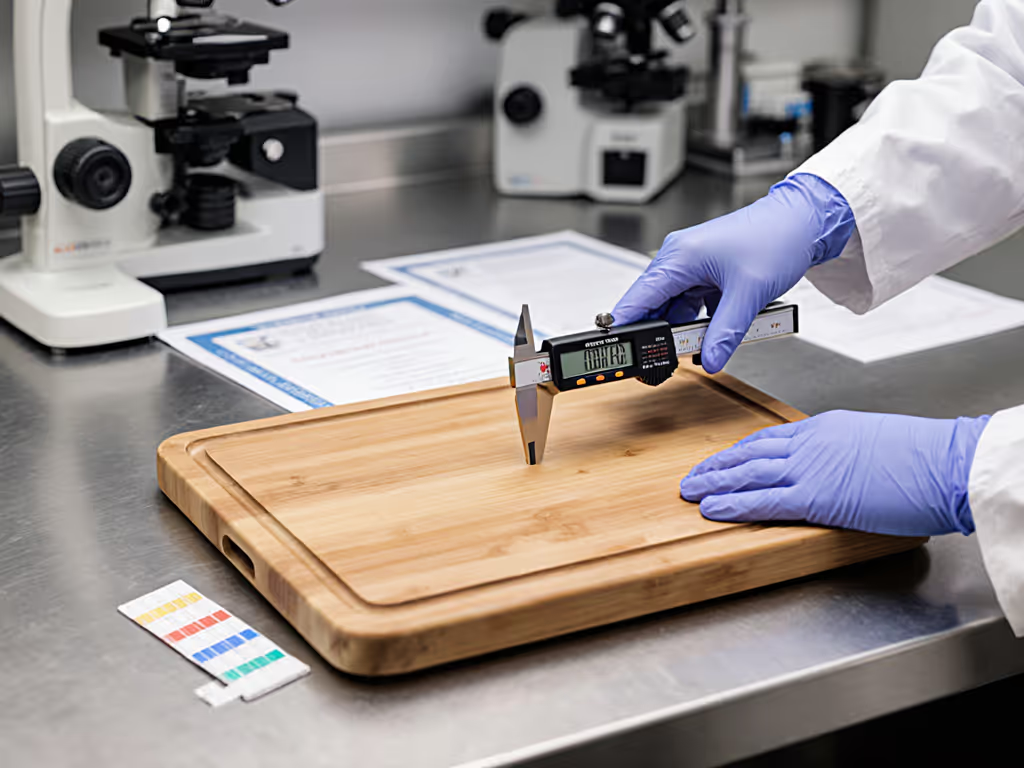
You've probably heard "wood is dirtier than plastic" as kitchen gospel. But landmark cutting board bacteria studies from University of Wisconsin researchers in the 1990s flipped this assumption. When scientists applied Salmonella, E. coli, and other pathogens to both wood and plastic boards, something counterintuitive happened: bacteria multiplied on plastic left overnight, while wooden boards showed dramatically reduced recoverable bacteria (even with the same aggressive pathogen loads). For a practical overview of safe handling and cross-contamination prevention, see our food safety cutting boards guide. The secret? Wood's porous structure actively wicks moisture (and microbes) below the surface where natural compounds like tannins help neutralize them. Picture your board silently working while you cook (no more frantic scrubbing after each chop).
How does bacteria actually behave on different board materials?
It's not as simple as "wood good, plastic bad." Research shows bacterial growth on wood vs plastic follows different patterns. On plastic, pathogens cling to the smooth surface where they can double every 20 minutes if left moist. Your board might look clean, but that invisible film is a bacterial playground. Wood tells a different story: when I demonstrate this to nervous cooks, I show how a damp knife glide leaves no drag, just a soft, even absorption. The wood pulls bacteria inward where oxygen-starved conditions help kill them. That's why properly maintained maple or beech boards (no deep cracks!) often test cleaner hours after use than plastic surfaces. But here's the non-negotiable: stability checks matter more than material. A sliding board = unsafe cuts.
Do plastic boards really sanitize better in dishwashers?
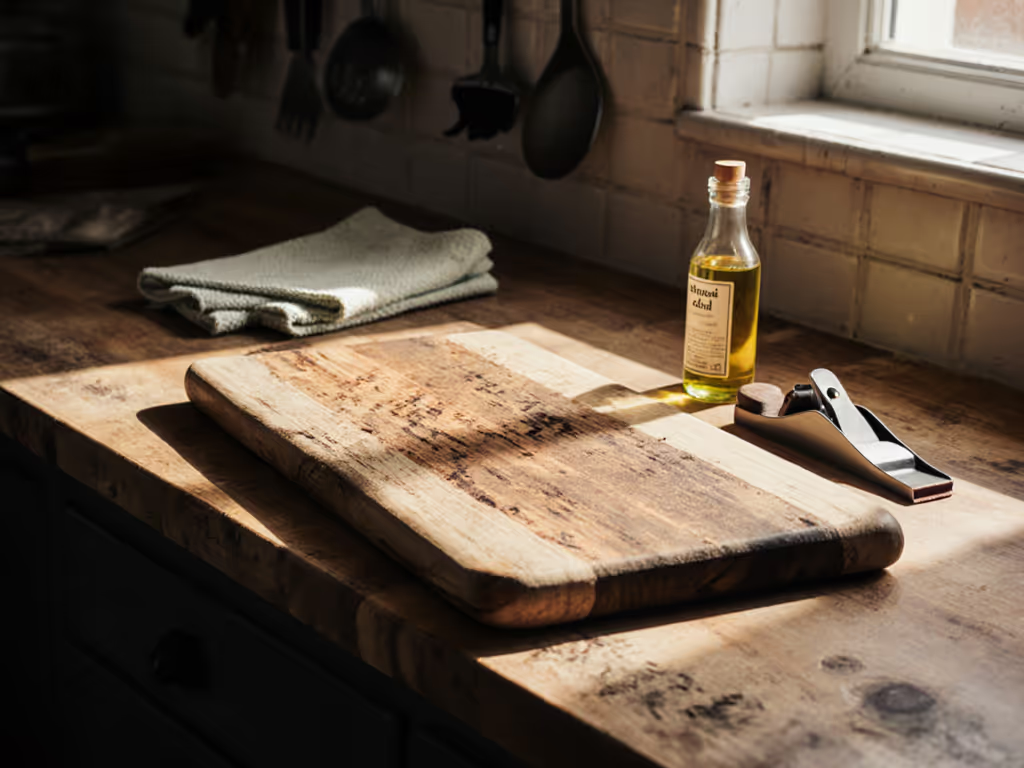
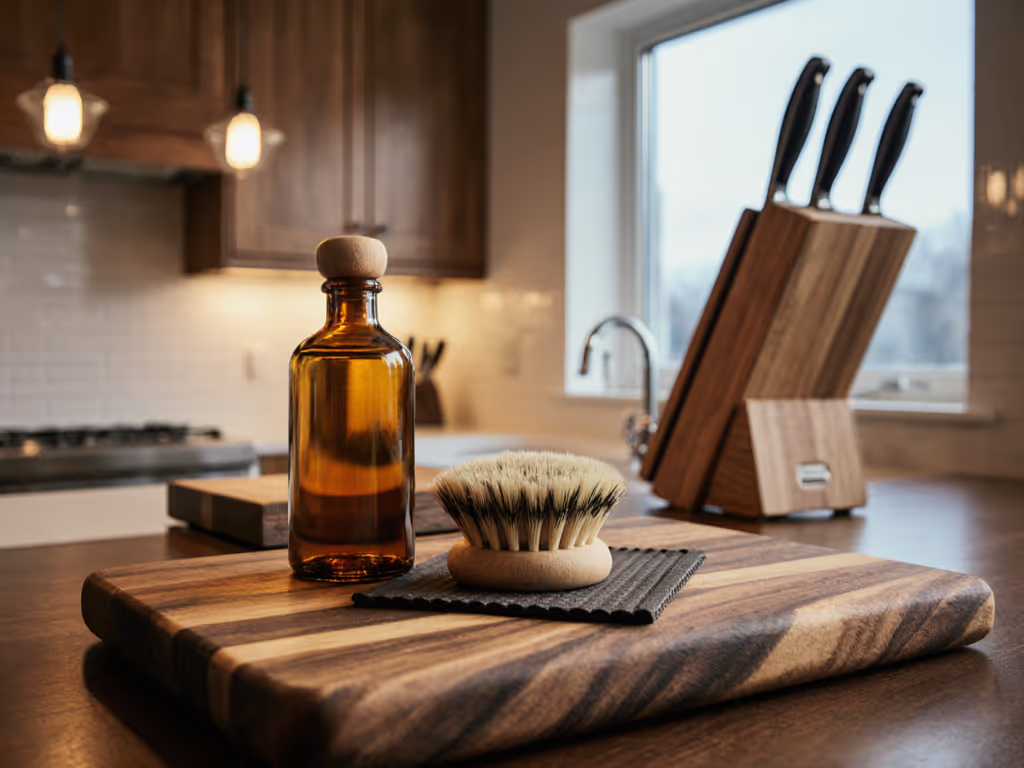
Here's where cutting board sanitization science gets messy. Yes, plastic boards survive dishwasher cycles, but heat doesn't automatically equal safety. High-temp washing can warp boards, creating micro-grooves where bacteria hide like troops in trenches. If you rely on plastic, follow our plastic cutting board care and sanitizing guide to avoid warping and hidden grime. And that squeaky-clean smell? Sometimes just masked pathogens. Meanwhile, wood boards develop deep knife scars when neglected, but regular hand-washing with mild soap (never soaking!) keeps them hygienic. Remember that cook I worked with who jumped at every "thwack"? Her plastic board had hairline cracks from dishwasher use, those invisible valleys became bacterial hideouts. When we switched to a well-maintained wood board with proper drying, her confidence (and kitchen safety) soared.
What about wood's "antibacterial" reputation?
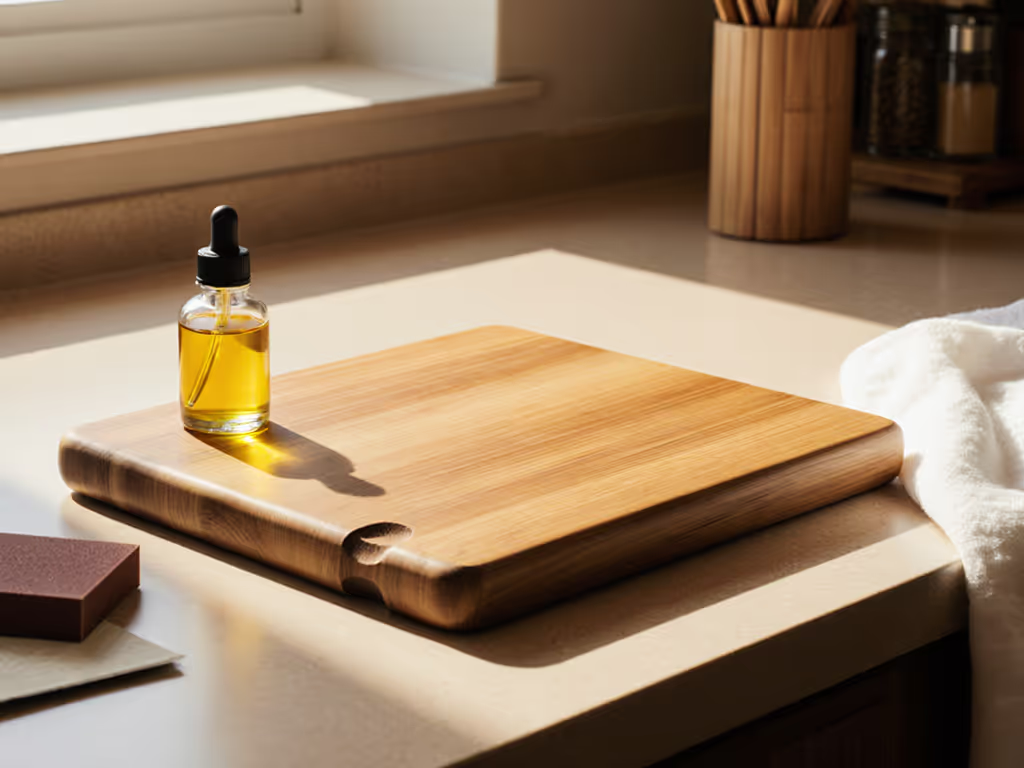
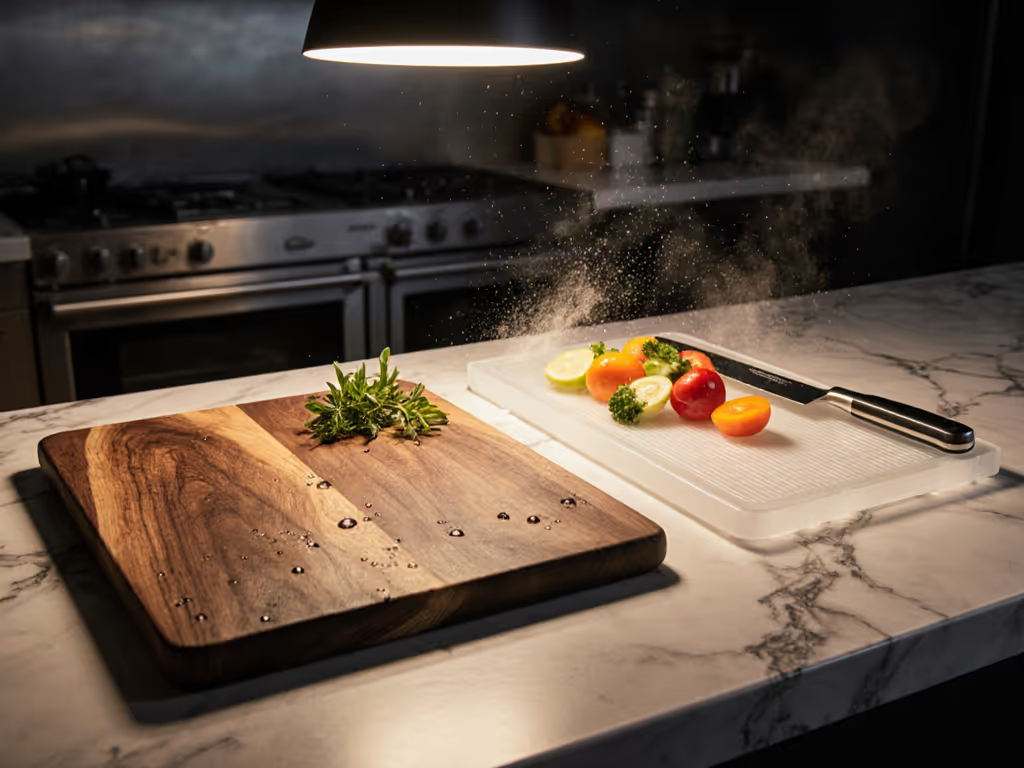
Let's clarify: wood isn't magic. Studies confirm certain hardwoods like maple and oak have mild antimicrobial properties, but pathogen transfer research shows the real hero is proper use. Think of your board like a sponge, if it's saturated with meat juices, it can't absorb more bacteria. That's why I teach the "two-thumb rule": after raw meat, flip the board immediately and rinse the used side under running water before setting it aside. This simple move prevents cross-contamination better than any material claim. And don't believe the mineral oil myth, it creates a temporary barrier but doesn't fundamentally change wood's absorption. For true hygiene, dry time trumps all: microbial death happens fastest when surfaces are bone-dry. Learn the exact oiling and vertical drying routine in our wood cutting board maintenance guide.
Comfort builds confidence; confidence keeps edges where they belong.
Should I worry about microplastics from plastic boards?
Emerging foodborne illness prevention concerns now include microplastics. Recent studies show hard chopping can release microscopic plastic particles into food (especially from worn boards). While health impacts remain unclear, the solution aligns perfectly with safety: replace plastic boards when they develop deep grooves (not just surface scratches). Interestingly, this same replacement rule applies to hygiene, those grooves trap bacteria. My advice? Treat your board like a knife: if it doesn't lie flat and quiet on your counter, it's time to retire it. Your grip-first approach to prep depends on surfaces that feel stable and predictable.
What's the single most important factor for cutting board safety?
After years teaching kitchen safety, I'll tell you plainly: how you use and clean your board matters 10x more than material choice. The Meat and Poultry Hotline confirms this, both wood and plastic are safe when properly maintained. Focus on these non-negotiables:
- Immediate drying: Air-dry vertically (never flat) so all surfaces breathe
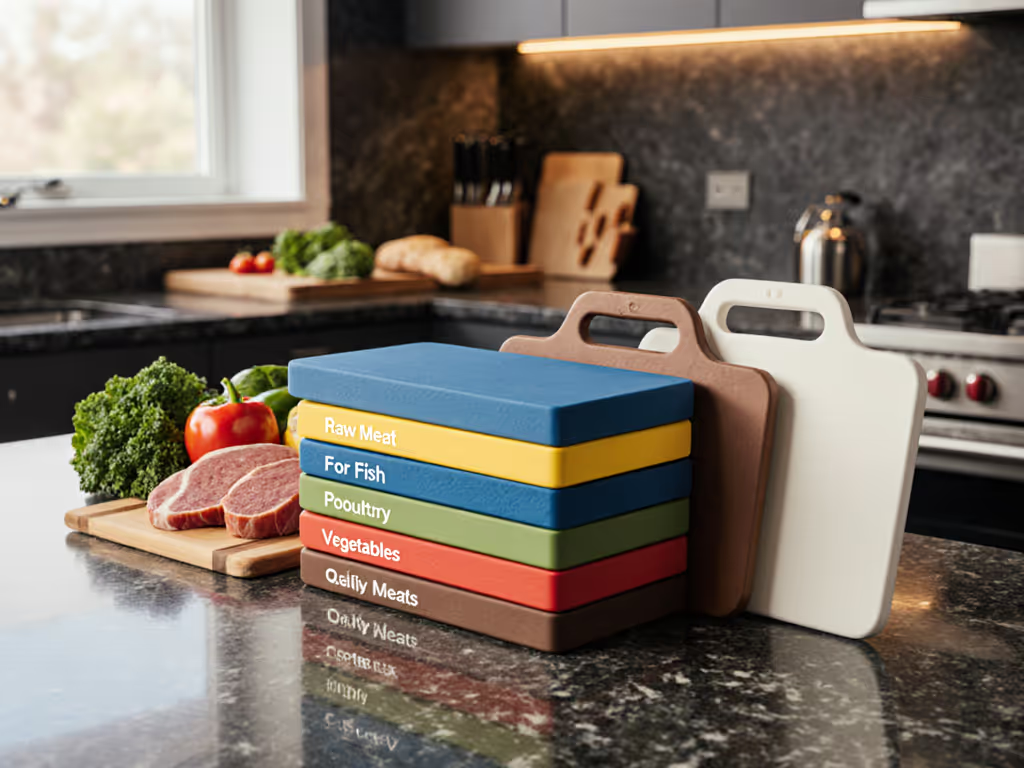
- Raw/protein separation: Dedicate one board solely for meats (I use color-coded edges)
- Knife-depth awareness: Deep cuts = bacterial traps; rotate boards regularly
- Hand-wash emphasis: Dishwashers warp boards and mask problems
That neighbor who flinched at every chop? Her breakthrough came when we implemented these steps (not when we changed materials). Her board stopped sliding, her knife glided silently, and suddenly she sliced tomatoes with steady hands. Hygiene became instinctive because her setup felt secure.
How can I make my cutting routine genuinely safer?
Start with tactile awareness. Place your board on a damp towel (no fancy non-slip pads needed) and test its stability, press firmly at each corner. If it moves, bacteria aren't your biggest risk; slips and cuts are. Next, implement the "scrap tray" method: keep a small bowl beside your board to catch trimmings. This reduces cross-contamination by eliminating hand-to-bin contact. Finally, embrace slow, deliberate cutting: safety is speed. Rushing causes slips and deep cuts that compromise both hygiene and edge longevity.
Finding Clarity in the Chaos
The science is clear: neither wood nor plastic is universally "safer." But when you combine proper maintenance habits with a board that feels stable under your hands, you create a foundation for safer prep. Remember that thwack sound many fear? It's often the board sliding, not the knife impacting. Fix the foundation first, and the rest follows. Your hands will steady, your cuts will improve, and your kitchen confidence will grow (one secure chop at a time).
Further Exploration:
- Try the damp-towel stability test tonight (it takes 15 seconds)
- Set up a dedicated "raw protein" station with visual cues (like a red edge)
- Experiment with drying boards vertically using a simple rack
When you treat your cutting surface as an active safety partner rather than just a stage for prep, you'll discover how much comfort affects outcomes. I've seen cooks transform from nervous to nimble simply by addressing these fundamentals. Why not see what shifts for you?
Related Articles