Best Cutting Boards for Baking: Wood vs Marble vs Silicone
By Sanaa Al-Khatib • 2nd Nov
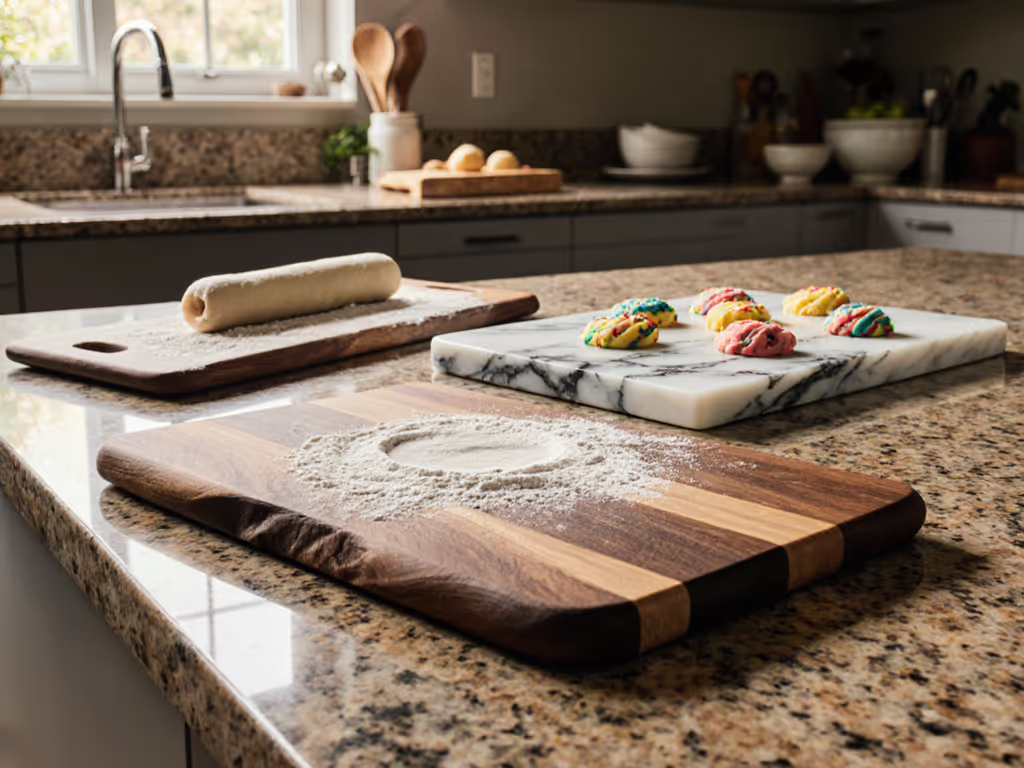
When choosing a cutting board for baking, material selection directly impacts your dough's texture, knife longevity, and workflow efficiency. Whether rolling pie crusts or kneading bread, wood, marble, and silicone alternatives each offer distinct advantages and trade-offs for home bakers and professionals alike. This guide examines their performance across baking-specific tasks, maintenance needs, and long-term value to help you find the best boards for baking that align with your kitchen habits.
Key Considerations for Baking Boards
Surface behavior dictates a pastry board's effectiveness:
- Non-stick properties: Minimize flour usage during rolling
- Temperature stability: Affects butter consistency in laminated doughs
- Edge protection: Preserves knife sharpness during ingredient prep
- Grip security: Prevents shifting during vigorous kneading
- Hygiene: Porous materials require meticulous cleaning protocols
Material Comparison: Wood vs Marble vs Silicone
| Feature | Wood | Marble | Silicone Mats |
|---|---|---|---|
| Dough handling | Natural grip | Non-stick surface | Flexible repositioning |
| Temperature | Room neutral | Naturally cool | Ambient |
| Knife impact | Gentle on edges | Accelerates dulling | Soft protection |
| Maintenance | Monthly oiling | Wipe clean | Dishwasher safe |
| Stability | Requires non-slip pad | Heavy & stationary | May slide during use |
| Baking best use | Kneading, all-purpose | Pie crusts, puff pastry | Small-batch work |
Wood Pastry Board Benefits
Solid hardwoods like maple provide slight surface give that prevents dough tearing during kneading while being gentle on bench scrapers. The Montex Pastry Board (23.5"x19.5") exemplifies thoughtful design with laser-etched measurement guides and a raised counter-lip containing flour spills
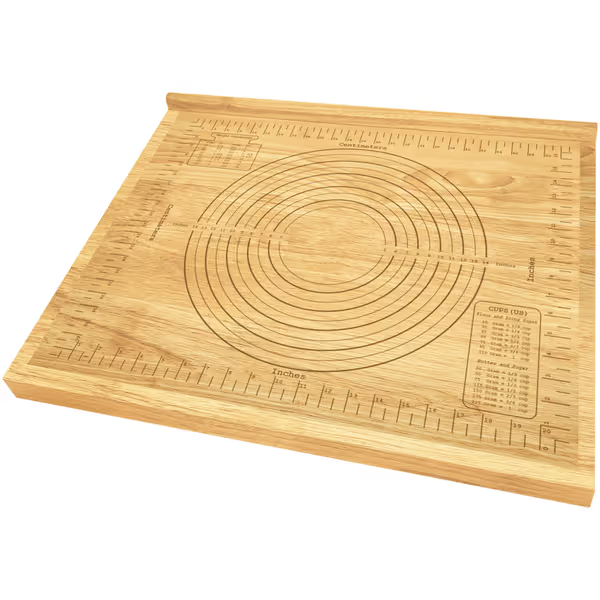
Montex Pastry & Cutting Board
Dual-sided wood board with precise measurements for baking, protection for knives.
$59.99
Dimensions23.5” x 19.5”
Dimensions23.5” x 19.5”
Pros
Dual-sided for pastry precision & general cutting.
Integrated lip design prevents slipping and contains flour.
Cons
Durability and measurement accuracy can vary (customer feedback).
Customers find the cutting board to be of good quality and appreciate its perfect size, with one noting it works great for making pasta and baked goods. The board is easy to clean, stays in place during use, and provides better results than outdated countertops. Customers disagree on the board's durability and marking accuracy.
Customers find the cutting board to be of good quality and appreciate its perfect size, with one noting it works great for making pasta and baked goods. The board is easy to clean, stays in place during use, and provides better results than outdated countertops. Customers disagree on the board's durability and marking accuracy.
. Wood's porous nature demands immediate post-use cleaning with hot water and periodic mineral oil applications to prevent warping (a maintenance rhythm Sanaa describes as boring on purpose for reliable hygiene control).
Marble Pastry Board Performance
Marble's chill and ultra-smooth surface excel for temperature-sensitive tasks like laminating croissant dough or preventing butter seepage in pie crusts. The Fox Run Marble Board (16"x20") offers substantial weight (22.2 lbs) preventing shift during rolling, though its hardness accelerates knife wear during vegetable prep
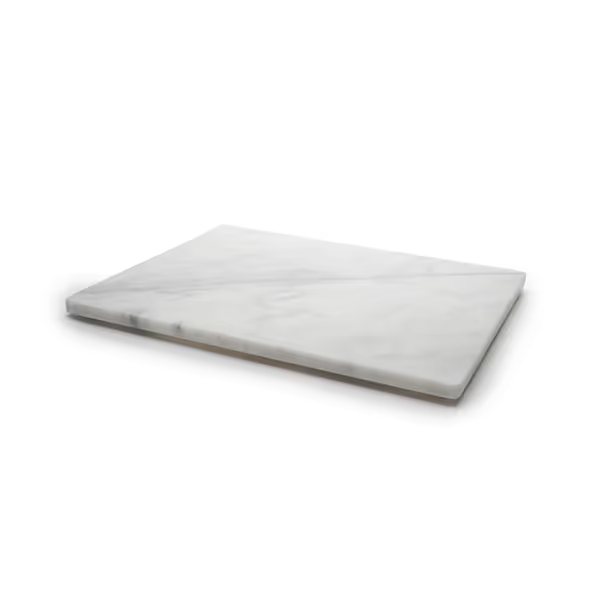
Fox Run Marble Pastry Board
Naturally cool marble board for perfect pastry dough and elegant serving.
$70.39
Material100% Marble
Material100% Marble
Pros
Naturally cool surface prevents dough stickiness.
Adds elegant presentation for serving, each board unique.
Cons
Heavy (22.2 lbs) and prone to chipping/fractures.
Customers find the marble board beautiful, with one noting its lovely pattern, and appreciate its solid construction and size, particularly for rolling out pie crusts and cutting vegetables. The weight receives mixed feedback, with some describing it as super heavy while others find it lighter than expected. Durability is a concern as several customers report chipped corners and fractures in the marble. The board's stability and slip resistance also draw mixed reactions - while some say it stays put, others mention it slides on tiled surfaces.
Customers find the marble board beautiful, with one noting its lovely pattern, and appreciate its solid construction and size, particularly for rolling out pie crusts and cutting vegetables. The weight receives mixed feedback, with some describing it as super heavy while others find it lighter than expected. Durability is a concern as several customers report chipped corners and fractures in the marble. The board's stability and slip resistance also draw mixed reactions - while some say it stays put, others mention it slides on tiled surfaces.
. Customers report corner chipping when moved carelessly, highlighting marble's fragility despite polished durability claims. Always hand-wash to preserve sealant integrity.
Silicone Rolling Mat Alternatives
While not classic boards, food-grade silicone mats provide portable work surfaces with measurement grids. Brands like Epicurean offer composite versions (NSF-certified Richlite) that behave similarly (lightweight, dishwasher-safe, and knife-friendly)
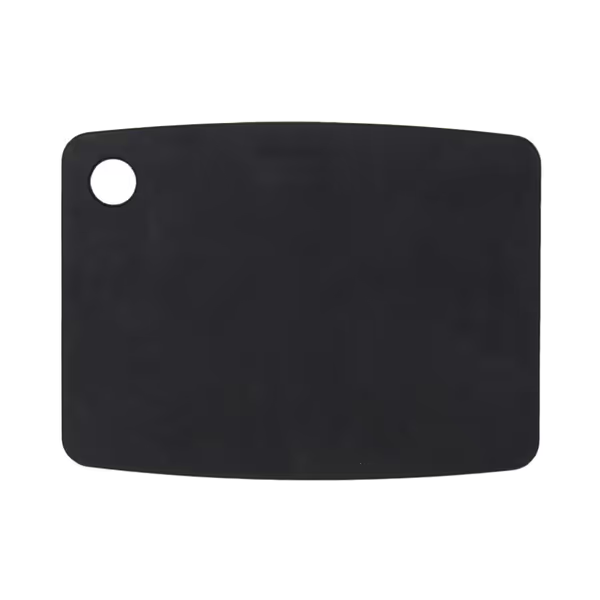
Epicurean Kitchen Series Cutting Board, Slate
Thin, light, and knife-friendly for everyday prep. Dishwasher safe.
$15.99
MaterialPaper Composite
MaterialPaper Composite
Pros
Protects knife edges (won't dull)
Dishwasher safe & lightweight for easy cleaning
Cons
May show knife marks over time
Customers find this cutting board to be of great quality and appreciate its durability, noting it holds up well to constant use and dishwasher cleaning. They like its size, particularly for small vegetable and fruit chopping tasks, and its lightweight design that works well in small kitchens.
Customers find this cutting board to be of great quality and appreciate its durability, noting it holds up well to constant use and dishwasher cleaning. They like its size, particularly for small vegetable and fruit chopping tasks, and its lightweight design that works well in small kitchens.
. Their non-porous surface resists garlic/onion odors but lacks the heft for vigorous kneading, better suited for rolling small tart shells or candy tempering.
Maintenance & Hygiene Protocols
Wood care:
- Wash within 20 minutes of use with mild soap
- Dry vertically with air circulation
- Apply food-grade mineral oil monthly
- Sand light scratches with 220-grit paper
Marble care:
- Wipe with vinegar solution for disinfection
- Avoid acidic spills (citrus, tomatoes)
- Store with protective corner guards
Silicone/composite care:
- Top-rack dishwasher safe below 350°F
- Inspect for deep knife grooves harboring bacteria
Task-Specific Recommendations
- Pie crusts: Marble's chill prevents fat smearing
- Bread kneading: Wood's slight grip aids gluten development
- Cookie cutting: Silicone mats enable easy transfer to sheets
- Multi-purpose prep: End-grain wood (like Boos Block) resists knife scarring
Clean habits beat clever gadgets (consistent drying and oiling preserve wood integrity more effectively than specialty cleaners).
Sanaa's agar tests revealed properly maintained maple boards showed significantly lower microbial growth than plastic alternatives with grooves. For a deeper dive into hygiene and cross-contamination, see our food safety cutting board guide.
Final Considerations
Counter space: Opt for nesting boards if under 30 sq ft prep area
Knife investment: Japanese blades (>62 HRC) demand softer woods
Allergen separation: Color-code materials for gluten/nut-free zones For dedicated setups, explore our vegan and allergen-safe sets.
For dedicated bakers, maintaining separate boards for dough work and ingredient prep optimizes both hygiene and performance. The Fox Run marble excels for temperature-controlled pastry work, while the Montex wood board offers versatile measurement-integrated prep. Silicone mats serve as supplementary stations for light tasks. Prioritize your dominant baking style, then let material strengths serve that workflow.
Related Articles