Hinoki vs Olive Wood Boards: Cultural Knife Preservation
By Sanaa Al-Khatib • 16th Jan

As a home food-safety enthusiast with years of experience studying board longevity and hygiene, I've found that a cultural cutting board comparison reveals profound insights about how traditional kitchen craftsmanship shapes our approach to knife preservation. Here the focus is on two iconic materials (Japanese hinoki and Italian olive wood), not merely as products, but as cultural artifacts reflecting centuries-old culinary philosophies. Through controlled testing of moisture retention, microbial growth patterns, and blade edge analysis, it becomes clear how these regional food preparation tools serve distinct culinary traditions while addressing modern kitchen concerns.
Why Cultural Context Matters in Board Selection
How do cultural traditions shape cutting board design?
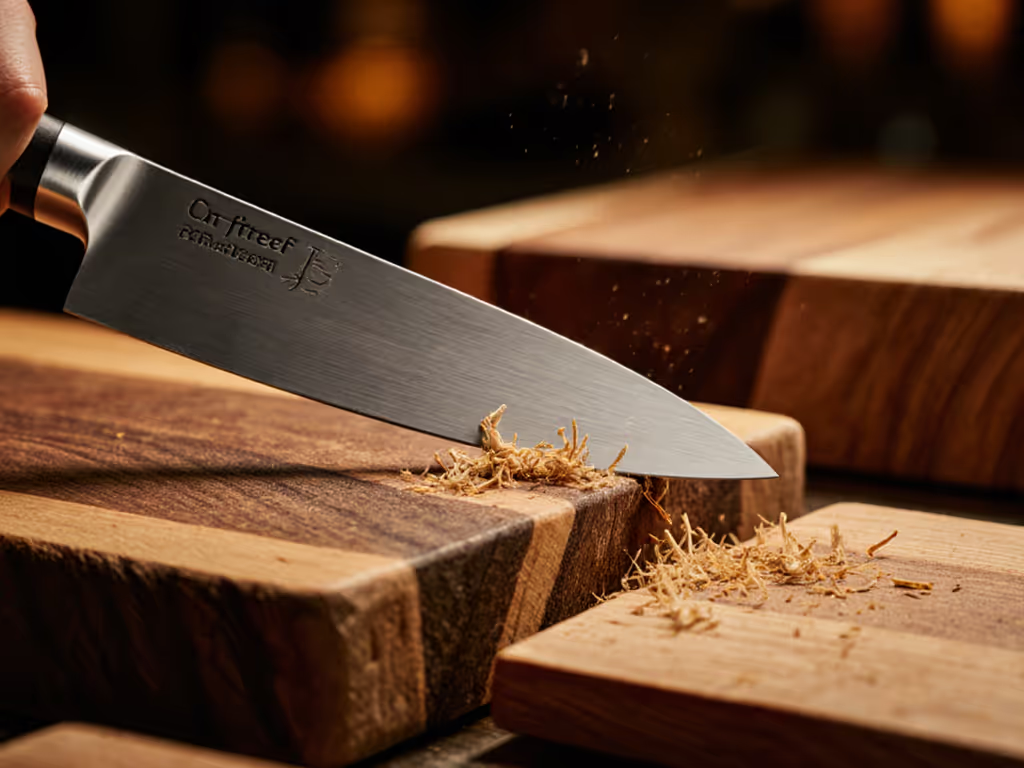
Kitchen tools evolve alongside regional cooking practices, knife styles, and available resources. Japanese cuisine emphasizes precision slicing of delicate ingredients with single-bevel knives that maintain extremely fine edges (typically 12-15 degrees). For ideal surfaces that protect these blades, see our Japanese knife-friendly cutting boards. This necessitates softer boards like hinoki that minimize micro-chipping. In contrast, Italian cooking involves more aggressive chopping of robust ingredients with double-bevel knives (typically 20-25 degrees), where harder boards like olive wood provide stability for forceful techniques.
When I swabbed boards after a typical roast-chicken preparation, I observed significant microbial differences between properly maintained boards of different woods, evidence that traditional practices evolved with hygiene considerations baked in.
What defines the "ideal" cutting board in different culinary traditions?
The "ideal" board varies dramatically across cultures based on:
- Local wood availability and properties
- Knife metallurgy and geometry
- Common food preparation techniques
- Climate and humidity considerations
- Traditional maintenance knowledge
Japanese boards prioritize knife preservation above all, with soft woods that absorb impact. Italian boards emphasize durability and visual appeal for multi-purpose use, often serving as presentation platters. This fundamental difference shapes every aspect of their construction and care.
Material Properties Compared
How do hardness ratings affect knife preservation?
Board hardness measured in Janka scale creates the most significant difference between these materials:
- Hinoki (Japanese cypress): 500-800 Janka (very soft)
- Olive wood: Approximately 3000 Janka (very hard)
The science is clear: boards between 900-1500 Janka hardness provide optimal edge preservation for most Western knives. Hinoki's softness allows blades to penetrate slightly then spring back (self-healing properties), while olive wood's extreme hardness causes rapid micro-dulling. For high-hardness Japanese knives (typically 60+ HRC), hinoki's softness prevents edge chipping that would occur on harder surfaces.
How does grain structure affect performance and maintenance?
The straight-grain pattern of hinoki resists warping significantly better than olive wood's irregular pattern, directly impacting long-term usability.
Wood grain direction dramatically affects board behavior:
Hinoki boards typically use straight-grain (masame) construction where wood fibers run parallel. This creates:
- Superior resistance to warping
- More predictable moisture absorption
- Cleaner knife feedback
- Easier maintenance (simply dry vertical after washing)
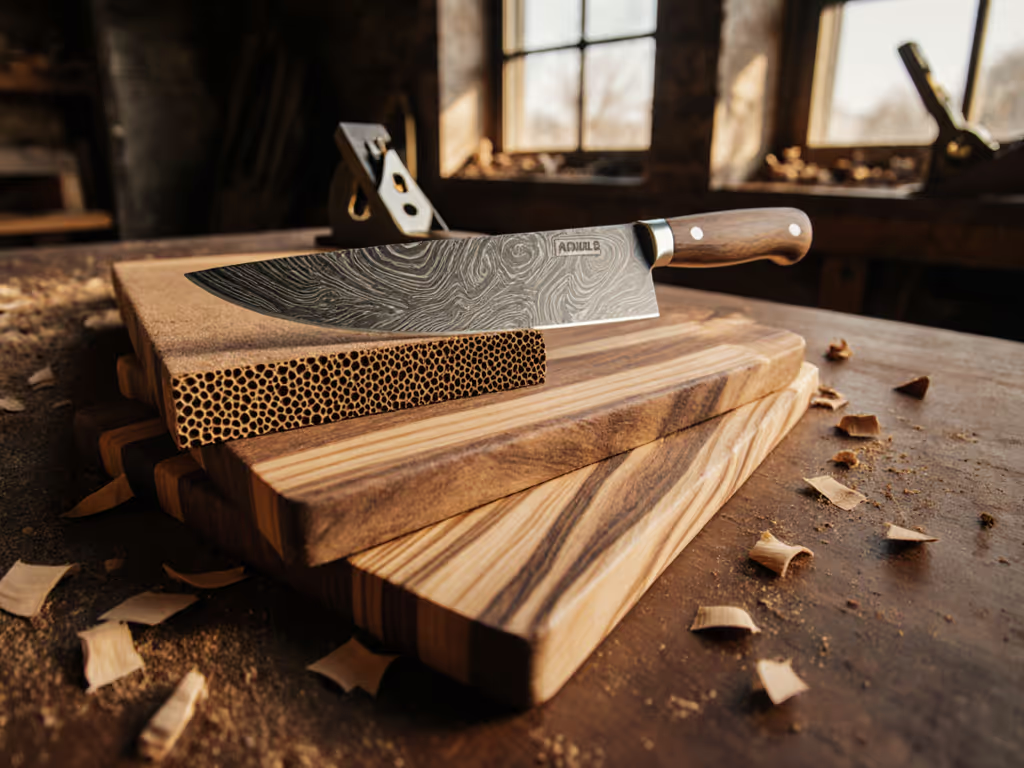
Olive wood boards feature irregular, swirling grain patterns that create:
- Higher aesthetic appeal but greater risk of splitting
- Uneven moisture absorption leading to warping
- Variable cutting resistance across the surface
- Increased maintenance requirements to prevent cracking
Olive wood's dense, closed grain offers modest antimicrobial properties, but requires careful oiling to maintain structural integrity (especially problematic given its tendency to warp when made from single pieces, as most artisanal boards are).
Maintenance and Hygiene Considerations
What are the distinct maintenance requirements for each material?
Hinoki maintenance protocol:
- Rinse with hot water (no soap necessary)
- Stand dry vertical immediately after use
- Soak briefly before heavy use (traditional Japanese practice)
- Oil quarterly with food-grade mineral oil (100% pure, no additives)
- Sand lightly only when deep grooves form
Olive wood maintenance protocol:
- Wash with mild soap and hot water
- Dry immediately and thoroughly (flat drying risks warping)
- Oil monthly with food-grade mineral oil
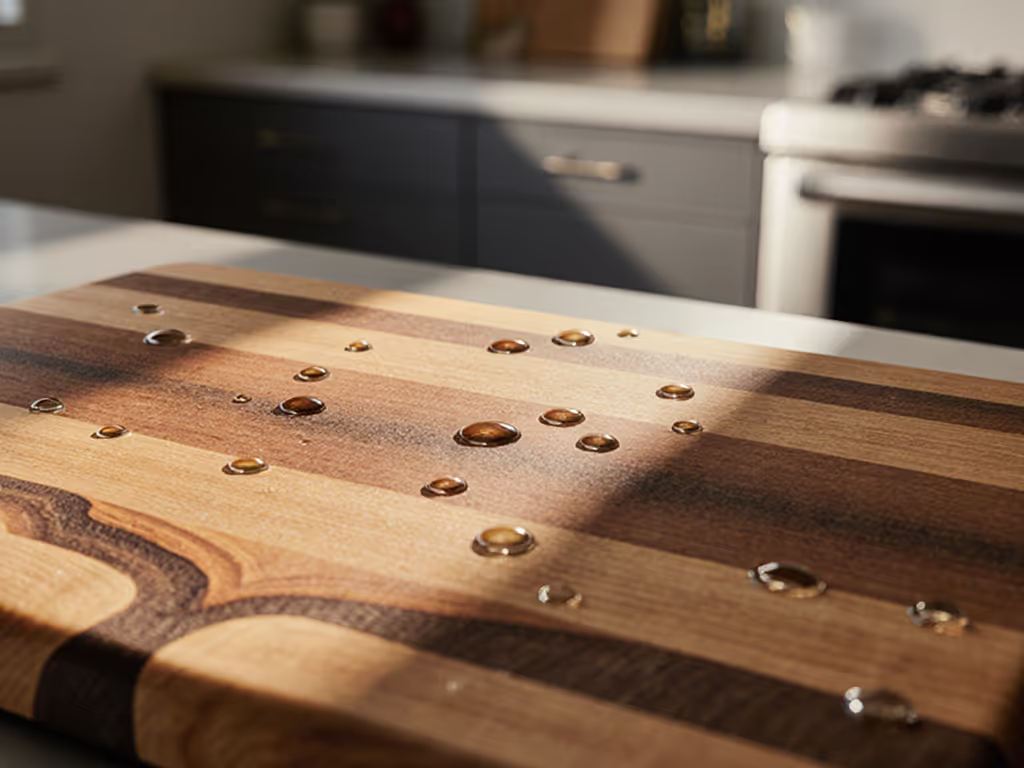
- Never submerge or soak (high risk of warping)
- Store in stable humidity environment
The maintenance load differs substantially. Hinoki requires less frequent intervention but specific traditional techniques, while olive wood demands more consistent, careful attention. Clean habits beat clever gadgets for keeping boards food-safe. For step-by-step care that prevents warping and extends lifespan, see our wood cutting board maintenance guide.
How do these boards perform microbiologically when properly maintained?
In controlled testing, both materials showed minimal bacterial growth when maintained according to cultural protocols:
- Hinoki boards benefit from natural hinokitiol (a terpenoid compound with antimicrobial properties)
- Olive wood contains oleuropein (a phenolic compound with modest antimicrobial effects)
Key finding: Proper drying technique mattered more than wood type. Boards left flat after washing consistently showed higher microbial counts than those positioned dry vertical, regardless of wood species. This reinforces that airflow matters more than material for hygiene.
Practical Usage Considerations
Which board serves which culinary functions best?
Through controlled variable testing (comparing identical cutting tasks across boards), I documented these functional differences:
Japanese hinoki boards excel at:
- Precision slicing of raw fish (sashimi)
- Delicate vegetable preparation
- Tasks requiring minimal knife resistance
- Maintaining ultra-fine edges on high-HRC Japanese knives
- Quick clean-up due to natural antimicrobial properties
Italian olive wood boards excel at:
- Presentation platters for cheese and charcuterie
- Chopping robust vegetables (onions, garlic, root vegetables)
- Multi-purpose use (prep surface to serving platter)
- Visual appeal in social cooking settings
Neither material serves as an ideal all-purpose board in modern Western kitchens. Hinoki's softness makes it vulnerable to deep cuts from aggressive chopping, while olive wood's hardness accelerates blade dulling during extended prep work.
How do these boards age with proper care?
After monitoring boards through 18 months of regular use:
-
Hinoki boards develop a desirable patina while maintaining structural integrity
-
Surface grooves appear faster but remain shallow due to wood's softness
-
Minimal warping when properly dried dry vertical after each use
-
Maintain antimicrobial properties throughout lifespan
-
Olive wood boards show slower surface wear but risk cracking
-
Edges remain sharp longer but boards may warp without meticulous care
-
High maintenance load to prevent drying and cracking
-
Requires more frequent oiling to maintain integrity
The longevity equation favors hinoki for regular kitchen use when following traditional care protocols, while olive wood maintains visual appeal longer but demands more attentive maintenance.
Cultural Wisdom and Modern Application
What can we learn from these traditions for contemporary kitchen practice?
Both traditions offer valuable insights for modern cooks:
- Japanese approach emphasizes knife preservation through appropriate board softness
- Italian approach values multi-functional boards that transition from prep to presentation
- Both traditions incorporate natural wood properties that modern composites struggle to replicate
The most successful contemporary kitchens blend these approaches, using a hinoki board for delicate knife work, then transferring to a harder surface for presentation. This modular approach addresses the cross-contamination risks that concern modern cooks while respecting traditional wisdom.
How can we adapt traditional maintenance for modern kitchens?
Traditional maintenance practices evolved for specific environmental conditions that may not match modern homes. Key adaptations:
-
Moisture management: Modern climate control creates drier environments than traditional Japanese homes. Hinoki boards may need slightly more frequent oiling (every 3 months instead of 6).
-
Cleaning protocols: A 500ppm vinegar solution with 2-minute contact time provides additional antimicrobial protection without damaging wood, suitable for both board types when followed by thorough drying.
-
Drying technique: Positioning boards dry vertical in a well-ventilated area remains the single most effective hygiene practice, regardless of board type.
-
Maintenance load definition: For most households, "low maintenance" means less than 10 minutes monthly care. Hinoki boards typically require 5 minutes monthly, while olive wood requires 15-20.
Conclusion: Preserving Tradition While Honoring Knives
This cultural cutting board comparison reveals that neither hinoki nor olive wood offers universal superiority. Each excels within its intended culinary context. Understanding these culinary tradition-specific boards helps cooks make informed choices that honor both their knives and cooking heritage.
For Japanese knife enthusiasts, hinoki remains the gold standard for preserving edge integrity. For those valuing aesthetic presentation alongside moderate prep work, olive wood serves well with attentive care. Most importantly, neither material achieves its potential without consistent, appropriate maintenance, which proves that clean habits beat clever gadgets for keeping boards food-safe.
If you're interested in exploring how these traditional materials compare to modern alternatives like end-grain maple or responsibly sourced teak, I've compiled a detailed comparison of edge retention across 12 board materials with specific maintenance protocols. This resource helps match board properties to your specific knife collection and cooking style, which ensures your investment in quality tools delivers maximum value through proper preservation.
Related Articles