Larch Cutting Boards: Softer Than Oak, Harder on Wear
By Noa Feld • 26th Nov
Ever sliced through a tomato only to hear that jarring thwack of a knife hitting glass? Or felt your blade skid on a slick plastic surface mid-chop? If your cutting board fights you instead of fading into the background, you're not alone. Many cooks don't realize how much larch wood cutting boards and other good woods for cutting boards transform both safety and precision. When your surface gives just enough under pressure (like a trusted dance partner), you slice with instinct, not anxiety. Comfort builds confidence; confidence keeps edges where they belong.
Why Does Wood Type Matter for Knife Longevity?
Don't your knives deserve gentler landings?
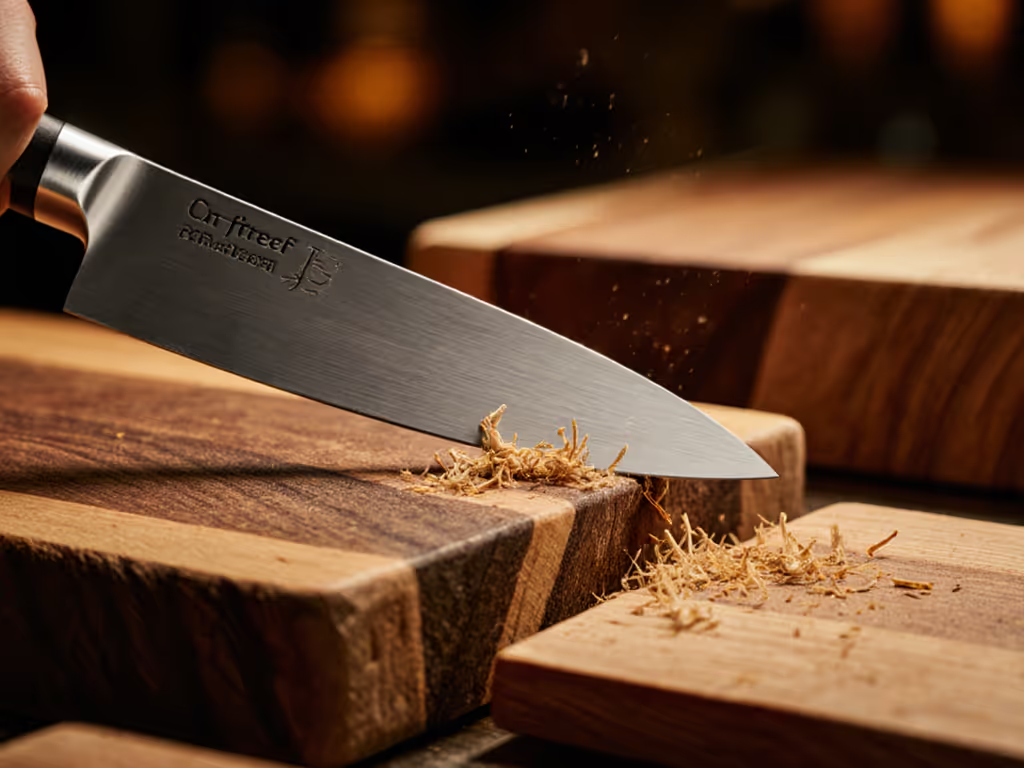
Hard composites, glass, and bamboo aren't just noisy, they actively dull blades by grinding steel against equal or harder surfaces. See our side-by-side plastic vs wood comparison to understand how materials impact knife wear and noise. Ever sliced into something that feels too rigid? That's microscopic edge damage happening in real time. Larch wood's unique cellular structure offers the ideal compromise: dense enough to stay stable, yet supple enough to let knife fibers part rather than resist. Think of it like landing on a sprung dance floor versus concrete. When I taught a neighbor who flinched at every chop, swapping her glass board for a grippy larch surface was step one. Her knife stopped jumping; her hands stopped tensing.
How do you feel the difference?
Place your palm lightly on a quality board while chopping carrots. Notice the subtle give? That slight rebound is larch's resilience at work, absorbing impact so your knife edge stays keen. Compare this to a rigid maple board (which still protects edges better than synthetics but lacks larch's forgiving flex). Durable hardwood boards get this right, but only larch balances water resistance with that crucial soft-feel feedback. When your hand senses control, your grip stabilizes. Grip-first means safety is speed.
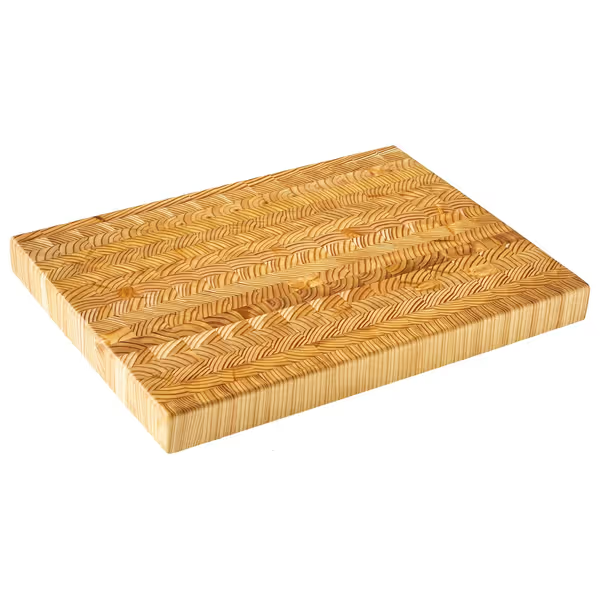
Larch Wood End Grain Medium Cutting Board
Edge-preserving end-grain board, ideal for Japanese knives and heavy-duty prep.
$176
Thickness1-5/8" (17-3/4" x 13-1/2")
Thickness1-5/8" (17-3/4" x 13-1/2")
Pros
End-grain construction protects knife edges and hides scores.
Stable 8.5 lb build with non-slip feet for secure, quiet prep.
Cons
Requires oiling for maintenance and longevity.
Customers find the cutting board beautiful and appreciate its quality, with one mentioning it works well with expensive Japanese knives.
Customers find the cutting board beautiful and appreciate its quality, with one mentioning it works well with expensive Japanese knives.
What Makes Larch a Cut Above Other Woods?
Why choose larch over maple or oak?
Maple's hardness protects boards but sacrifices blade kindness; oak's open grain traps moisture. Curious where larch, maple, and oak fall on the Janka hardness scale and what that means for your knives? Larch (technically a softwood with hardwood density) hits a sweet spot. Its natural resins (from historic use in shipbuilding!) create rare rot resistance while keeping fibers supple. This means:
- Less warping near sinks
- Smoother knife glide without edge drag
- Natural antibacterial properties that plastic boards can't replicate
How does end-grain construction deepen these benefits?
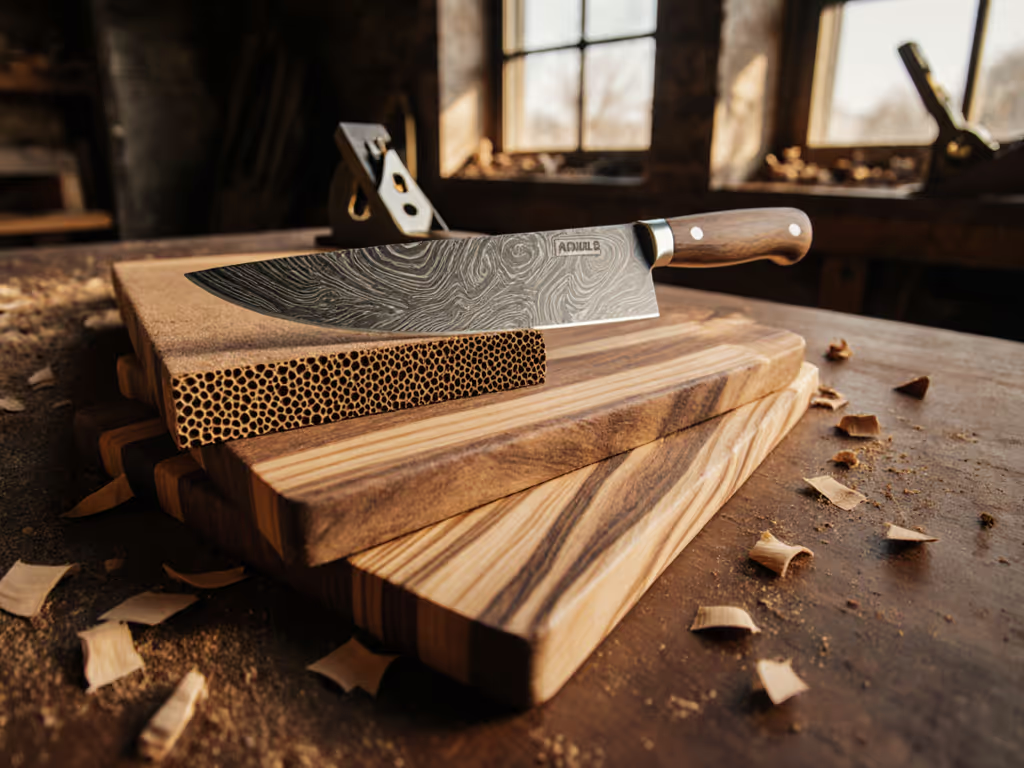
Most knife-friendly wood surfaces use end-grain patterns, where wood fibers stand vertically. When your blade penetrates, it slips between fibers rather than cutting across them (like pushing between blades of grass). This self-healing property explains why larch end-grain boards (like those handcrafted in Cape Breton) endure decades of daily use. They're not just surfaces; they're blade-savers.
Comfort builds confidence; confidence keeps edges where they belong.
How Do You Maintain Larch Without the Hassle?
Isn't wood high-maintenance?
Only if you treat it like plastic! Larch thrives with simple rhythms:
- Weekly: Wipe with damp cloth + mild soap (never submerge!)
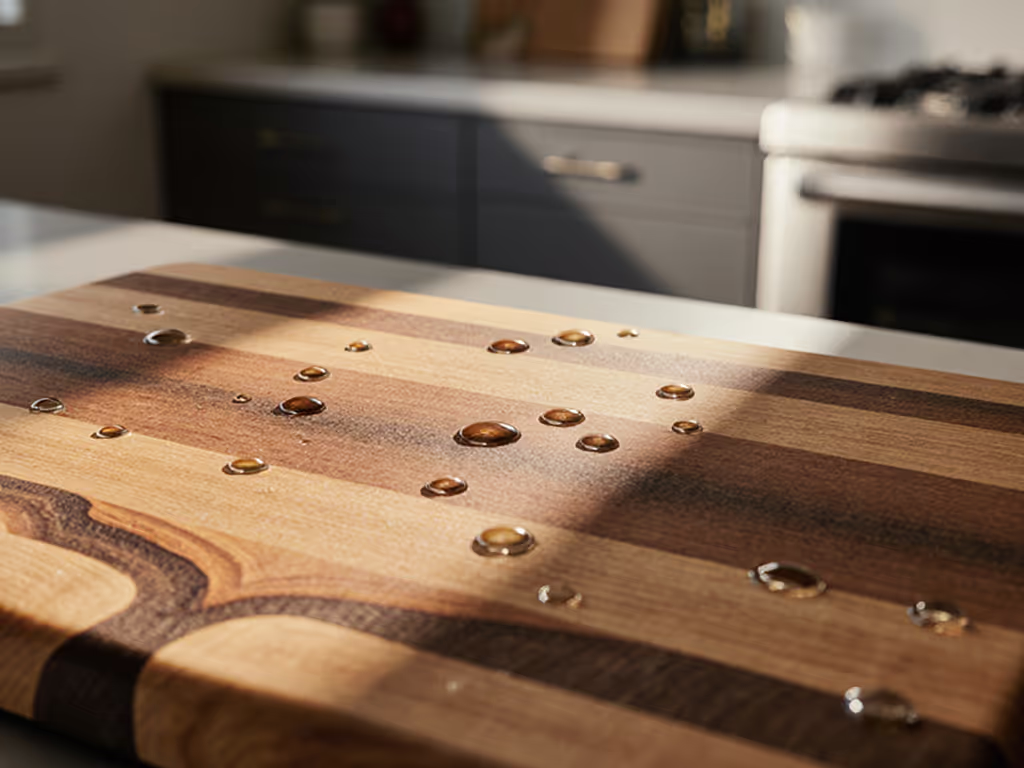
- Monthly: Condition with mineral oil/beeswax blend (apply thin coat to all sides)
- Storage: Stand upright to dry, never flat where moisture pools
Skip abrasive cleaners or dishwashers. Properly cared for, your board's natural oils and your conditioning routine create a resilient seal. No special skills needed, just consistency. (And yes, studies confirm wood's bacteria-resistance improves with age when maintained correctly!)
What if it warps or dries out?
Minor warping often fixes itself with conditioning. For stubborn cases:
- Place board grain-side down on damp towel overnight
- Apply extra conditioner to dry spots
- Never use direct heat (this cracks fibers)
Treat it like a good relationship: responsive, not rigid. That's the heart of larchwood maintenance. For step-by-step fixes and oiling schedules, follow our wood board maintenance guide to prevent warping and keep surfaces sanitary.
Finding Your Perfect Larch Board Setup
How do you fit it into small kitchens?
Opt for modular sets: a larch end-grain board (18"x12" is ideal for most sinks) paired with compact companion boards. Assign roles clearly: For a full overview of color-coding, sanitation, and best practices, see our food safety cutting board guide.
- Raw proteins: Juice-groove larch board (never used for veggies!)
- Bread/Fruit: Smaller larch rectangle (prevents cross-contamination)
- Staging: Underside of main board for prepped ingredients
How do you stop slipping without bulky feet?
Skip rubberized bottoms that trap moisture. Instead, dampen a corner towel under your board, enough to grip, not so wet it warps wood. Test stability: press firmly at four corners. If it shifts, reposition the towel. Done right, your board becomes an extension of your counter.
Final Thought: Your Quiet Kitchen Ally
Larch wood cutting boards aren't luxury items; they're foundational tools that protect your most valuable assets: knives, fingers, and peace of mind. In kitchens where every chop should feel effortless, eco-friendly kitchen tools like larch merge performance with sustainability. When you invest in surfaces that support rather than strain your workflow, you reclaim the joy in prep. Because the best boards aren't seen; they're felt in the smoothness of your slice, the steadiness of your hand, and the quiet confidence that every cut lands true.
Ready to explore larch's quiet confidence? Check our care guide for simple maintenance routines, or share your board struggles below. Sometimes the right setup is just one damp towel away.
Related Articles